
Category: Knowledge Hub
-
Introduction A horse saddle is a supportive structure placed on a horse’s back to provide a secure seat for the rider and to help distribute the rider’s weight more evenly. Saddles are among the most important pieces of equestrian equipment because they affect rider balance, horse comfort, communication between horse and rider, and overall performance.…
-
Colic is not a disease — it is a symptom of abdominal pain. It ranges from mild gas discomfort to life-threatening intestinal displacement. Early recognition is the single…
-
Weight management is one of the most overlooked aspects of equine welfare. Subtle changes in body condition often occur gradually and go unnoticed until performance declines, health issues…
-
The hoof is a complex, weight-bearing structure designed to absorb shock, support circulation, and protect internal structures. Subtle hoof changes often appear days or weeks before lameness becomes…
-
Dehydration is one of the most underestimated health risks in horses. It does not only occur during hot summer months — it is equally common in winter when…
-
Emergencies rarely happen at convenient times. Whether it is a field injury, sudden lameness, a colic episode, or a kick wound, the first few minutes of response can…
-
One of the hardest judgement calls for any horse owner is deciding whether a situation warrants veterinary attention. Delaying a necessary call can worsen outcomes. Calling early can…
-
Horses are creatures of habit. Their nervous systems are designed for predictability, routine, and environmental stability. Sudden changes — even seemingly minor ones — can trigger stress responses…
-
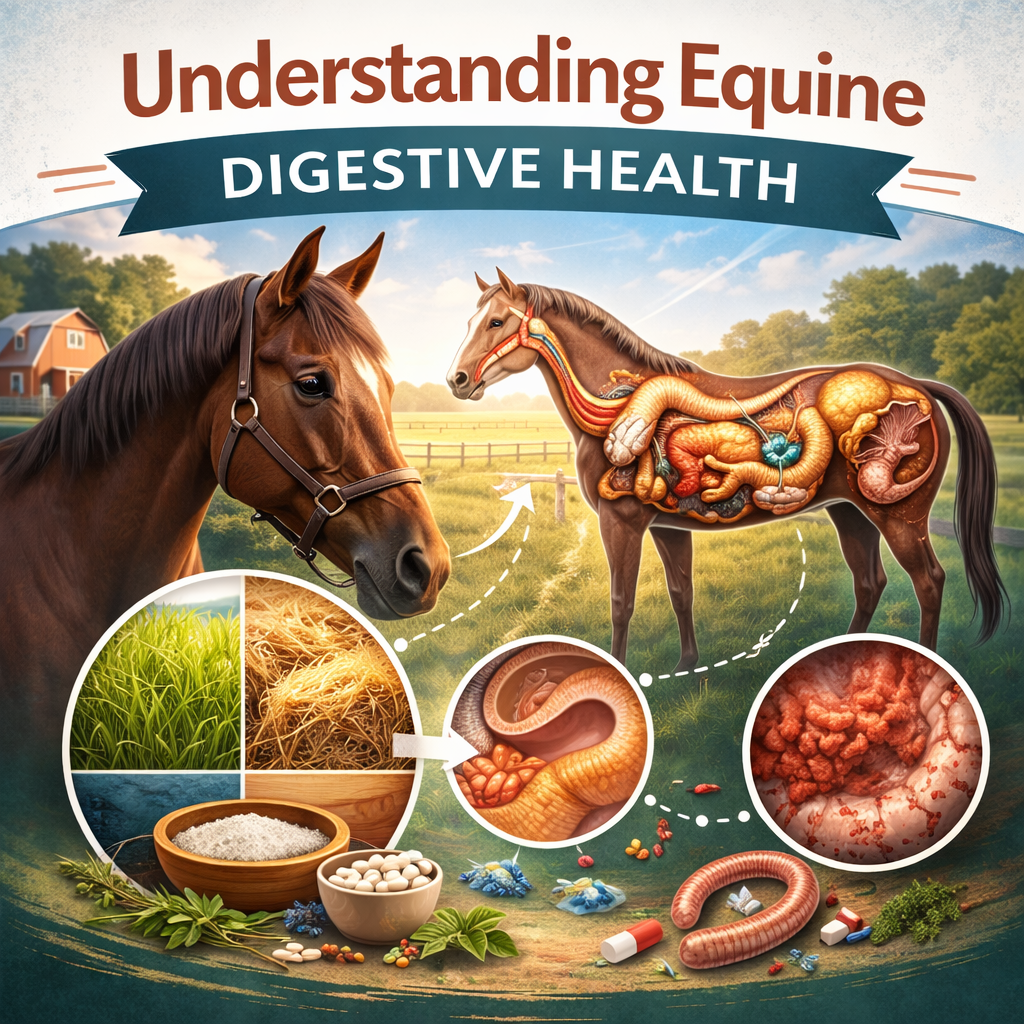
The equine digestive system is highly specialised, delicate, and designed for near-constant forage intake. Many modern management practices — meal feeding, limited turnout, and high-starch concentrates — conflict…
-
A strong immune system is the foundation of long-term equine health. While vaccines and veterinary care play essential roles, everyday management decisions have the greatest cumulative impact on…
-
Advances in nutrition, dentistry, veterinary care, and management mean horses are living longer than ever before. It is now common to see horses thriving into their late twenties…
-
A Practical, Welfare-Focused Approach to Choosing the Right Rug Choosing the correct rug weight in the UK is not as simple as reading the temperature forecast. Wind, rain…
-
A Practical Guide to Thermoregulation, Welfare and Smart Rugging Decisions Clipping fundamentally changes how a horse regulates body temperature. A natural winter coat is designed to trap air…
-
How to Read Your Horse — Not Just the Weather Forecast Horses cannot tell us when they are uncomfortable — but they communicate clearly through behaviour, posture and…
-
A Practical Guide to Getting Fit Right — First Time A poorly fitted rug causes more problems than no rug at all. Rubbing, slipping, pressure sores, restricted movement…
-
A Practical Guide for UK Conditions Wet winters are one of the biggest management challenges for UK horse owners. Persistent rainfall, heavy clay soils and limited daylight create…
-
A Practical Guide for Comfort, Insect Control and Heat Awareness Many owners assume rugs are only for winter. In reality, summer rugging plays a critical role in protecting…
-
When and How to Do It Correctly A Practical Guide to Flexible Winter Rugging Without Compromise Layering rugs is common practice during UK winters, particularly when temperatures fluctuate…
-
A Practical Guide to Daily Monitoring, Weather Awareness and Preventing Rug-Related Problems Rugs are not “put on and forgotten” items. They are active pieces of equipment that directly…
-
A Practical Guide to Fit, Friction Control and Protecting Skin Health Rug rubs are not minor cosmetic issues. They are early warning signs of pressure imbalance, friction, moisture…
-
A Professional Guide to Temperature, Physiology and Welfare Seasonal rug transitions are one of the most misunderstood aspects of horse management. Moving between winter, spring, summer and autumn…
-
A Professional Guide to Function, Welfare and Efficiency A grooming kit is not simply a collection of brushes — it is a diagnostic toolkit, a hygiene system and…
-
Many owners believe effective grooming requires large blocks of time. In reality, consistency matters more than duration. A structured 10–20 minute daily routine, applied properly, provides significant welfare…
-
Bathing a horse is often treated as a cosmetic task before competition or showing. In reality, bathing is a management tool that must be used correctly to avoid…
-
Greasy heel (also known as mud fever or pastern dermatitis in some cases) is one of the most common and frustrating skin conditions faced by UK horse owners…
-
Managing the Coat Transition Properly Shedding season is one of the most physically demanding periods for a horse’s skin and coat. As daylight hours increase in late winter…
-
A naturally shiny coat is not created by sprays alone. Shine reflects internal health, correct management and balanced skin function. While cosmetic products can enhance appearance temporarily, true…
-
Preventing Breakage, Thinning and Damage A horse’s mane and tail are more than aesthetic features. They provide natural protection against insects, weather and skin irritation. However, improper care…
-
Grooming should be a bonding experience. However, for nervous, sensitive or previously mishandled horses, grooming can trigger tension, defensive behaviour or avoidance. A horse that reacts negatively to…
-
Winter grooming in the UK presents a constant balancing act. Horses accumulate mud, sweat under rugs and dampness around legs — yet frequent bathing in cold conditions can…
-
Skin irritation in horses is often attributed to weather, rug rubs or grooming issues. However, parasites are a common and frequently overlooked cause of persistent itching, hair loss…
-
Tack is one of the most significant investments a horse owner makes. Poor storage shortens lifespan, weakens leather, damages stitching, and increases the risk of equipment failure…
-
A five-minute safety check before mounting can prevent serious accidents. Tack failure is rarely sudden — it usually follows gradual wear, unnoticed damage, or poor fitting. Every ride…
-
A headcollar and lead rope may seem like simple pieces of equipment, but they are fundamental tools in daily horse handling. Poorly chosen or poorly fitted headcollars increase…
-
The girth plays a critical role in saddle stability, horse comfort, and rider safety. An ill-suited girth can cause discomfort, behavioural resistance, restricted movement, and even long-term soft…
-
A well-run yard depends on more than good horsemanship — it relies on practical equipment that supports safety, hygiene, and daily efficiency. The right tools reduce labour, prevent…
-
Tack maintenance is often neglected not through carelessness, but through time pressure. However, inconsistent cleaning shortens equipment lifespan, increases safety risk, and can compromise horse comfort. A structured…
-
A well-organised tack room is more than visually pleasing — it improves safety, extends equipment lifespan, and saves time every single day. Poor organisation leads to lost items…
-
When choosing tack, riders are often faced with a difficult question: Is premium tack worth the investment, or will budget options perform just as well? The answer is…
-
Tack is constantly exposed to environmental stress — even when stored indoors. The UK’s fluctuating climate, high humidity, and seasonal extremes can significantly impact leather integrity, stitching strength…
-
Tack-related injuries are rarely random. They usually result from poor fit, unnoticed wear, incorrect use, or inadequate maintenance. Because tack sits at the interface between horse and rider…
-
Yards are working environments. Horses are large, reactive animals. Equipment is heavy. Surfaces can be slippery. Vehicles move unpredictably. When safety standards slip, injuries happen — often preventably…
-
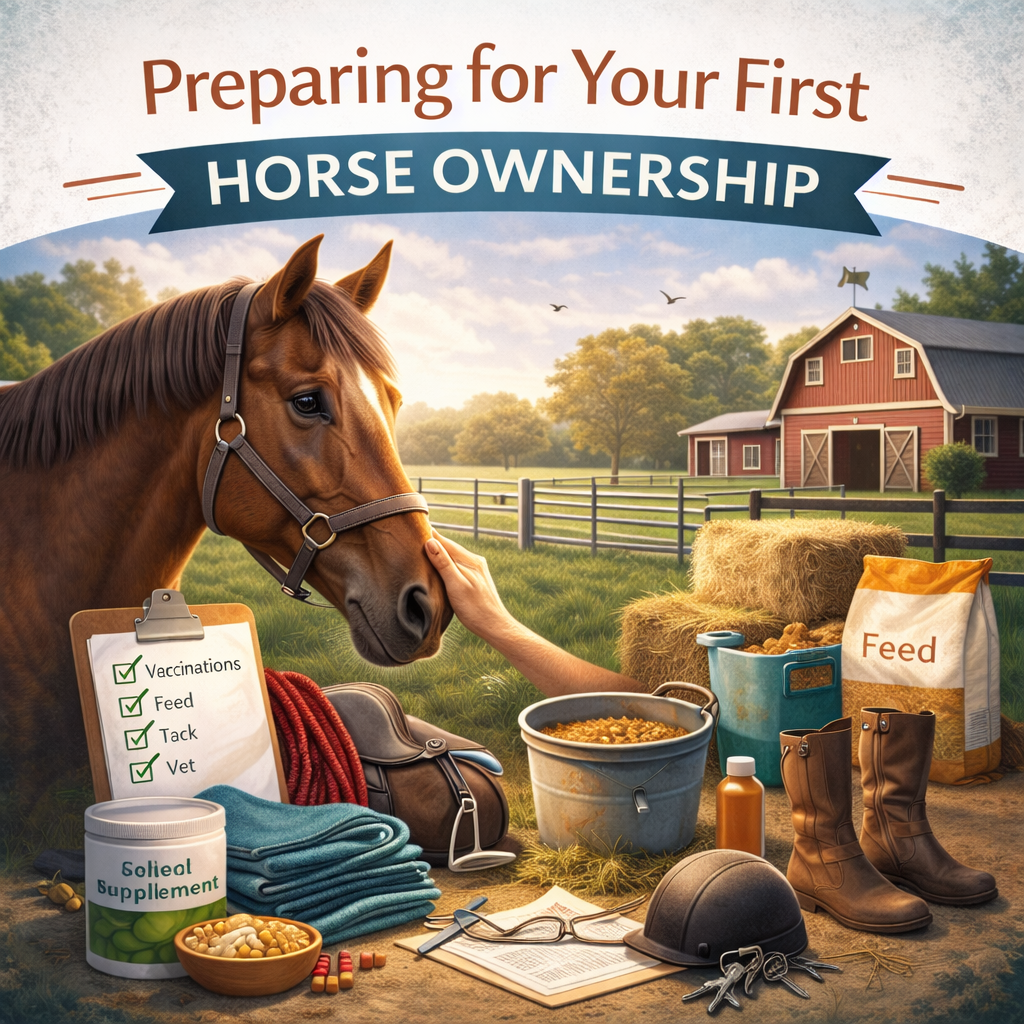
Owning your first horse is exciting — but it is also one of the most significant financial, emotional, and time commitments you can make. Horses depend entirely on…
-
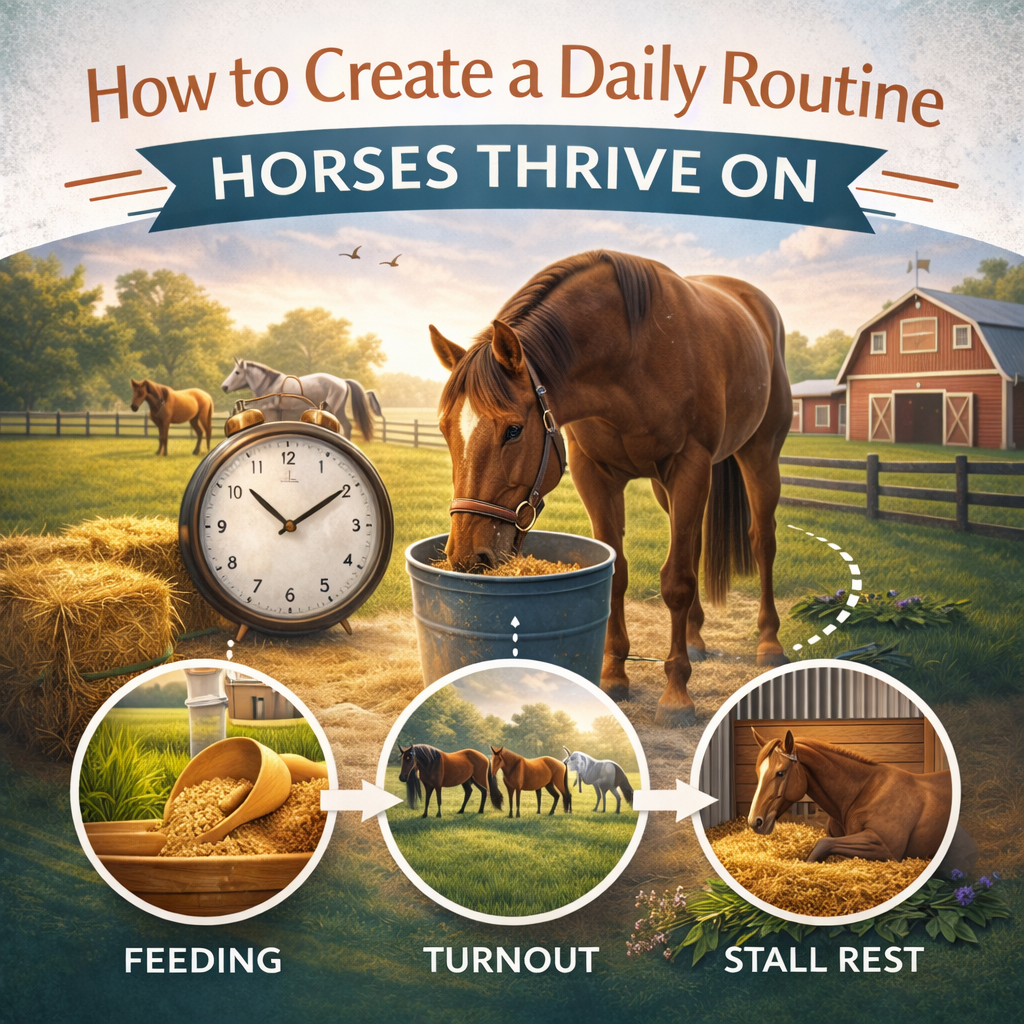
Horses are biologically designed for predictability. In the wild, their days revolve around grazing, movement, herd interaction, and rest — all within a stable rhythm. Domestic management disrupts…
-
Stables are controlled environments — but they are not risk-free. Many injuries occur not in the field or during riding, but inside the stable itself. Confined spaces, solid…
-
Horse transport is one of the highest-risk routine activities in equine management. Travel introduces confinement, vibration, noise, temperature fluctuation, and stress — all of which affect physiology and…
-
Introducing horses to one another is one of the most injury-prone management situations on any yard. Even experienced horses can react unpredictably when social hierarchy is disrupted. Kicking…
-
Limited turnout is an increasingly common reality in UK horse management. Weather conditions, land restrictions, yard rules, and seasonal ground protection often mean horses cannot access pasture as…
-
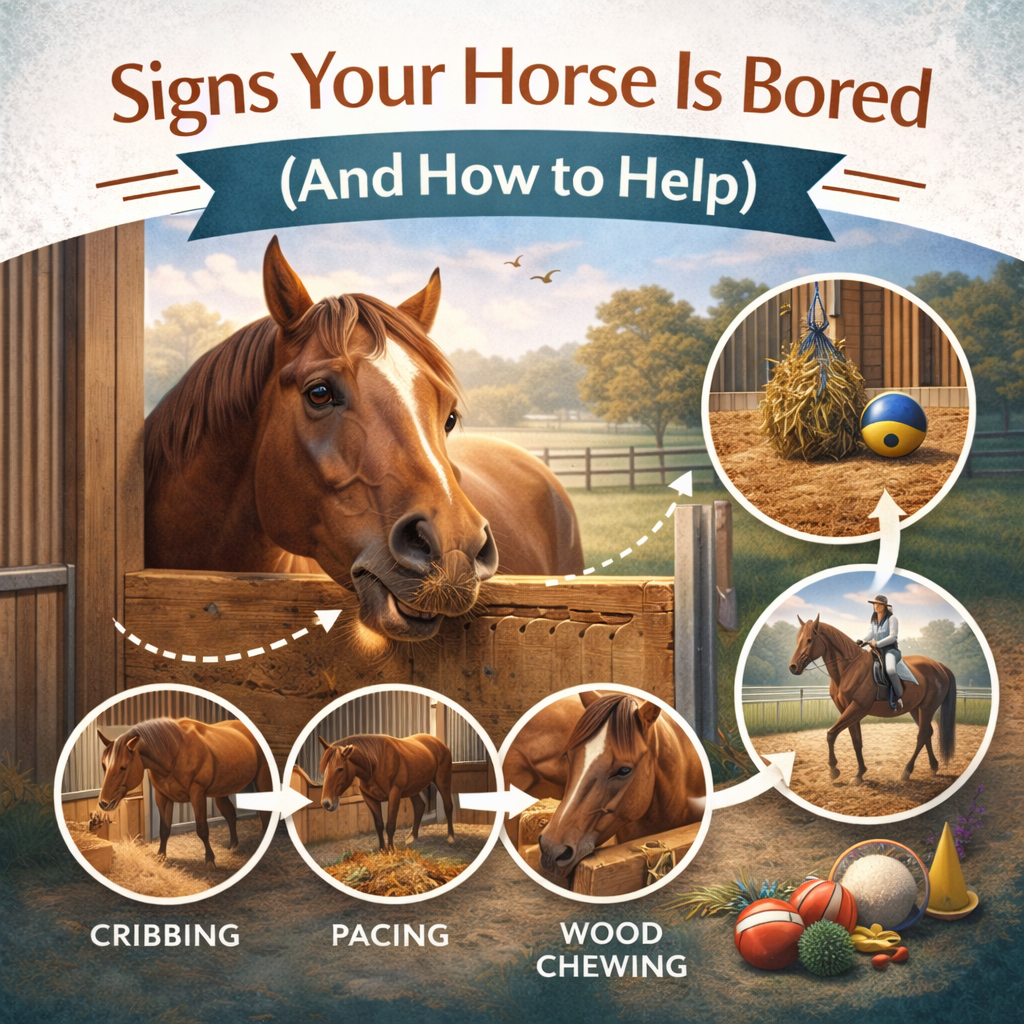
Boredom in horses is often underestimated. While horses are adaptable animals, they are biologically designed for near-constant movement, foraging and social interaction. When modern management restricts these natural…
-
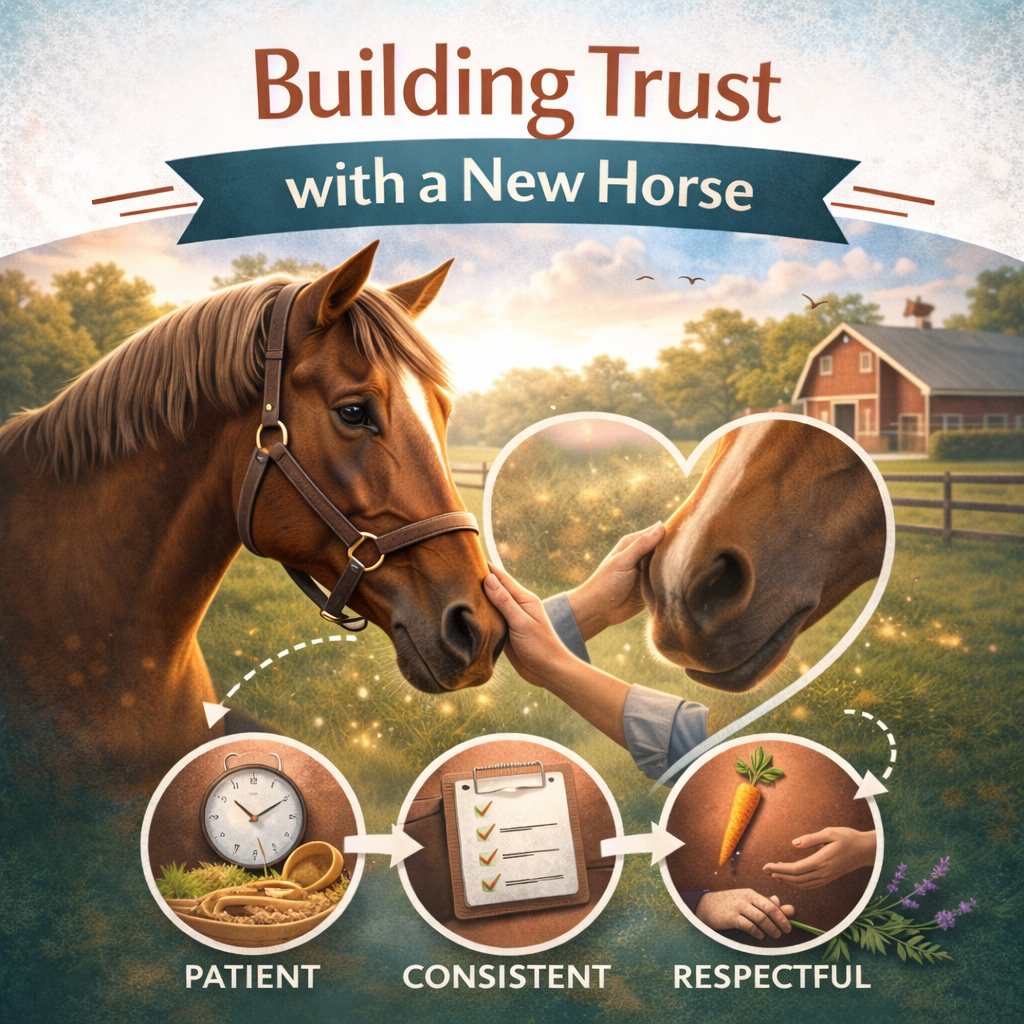
Bringing a new horse into your care is both exciting and delicate. Trust is not automatic — it is built through consistency, clarity and calm leadership. Horses assess…
-
A calm stable environment is not accidental. It is designed through thoughtful management, consistent routine and attention to sensory factors such as noise, airflow, lighting and social structure…