
Category: Knowledge Hub
-
Managing the Coat Transition Properly Shedding season is one of the most physically demanding periods for a horse’s skin and coat. As daylight hours increase in late winter and early spring, hormonal changes trigger the release of the thick winter coat. The process can last several weeks and places significant demand on the skin. Handled…
-
Yards are working environments. Horses are large, reactive animals. Equipment is heavy. Surfaces can be slippery. Vehicles move unpredictably. When safety standards slip, injuries happen — often preventably. Professional yard safety is not about being over-cautious. It is about awareness, structure, and consistency. This guide outlines the essential safety principles every rider and horse owner…
-
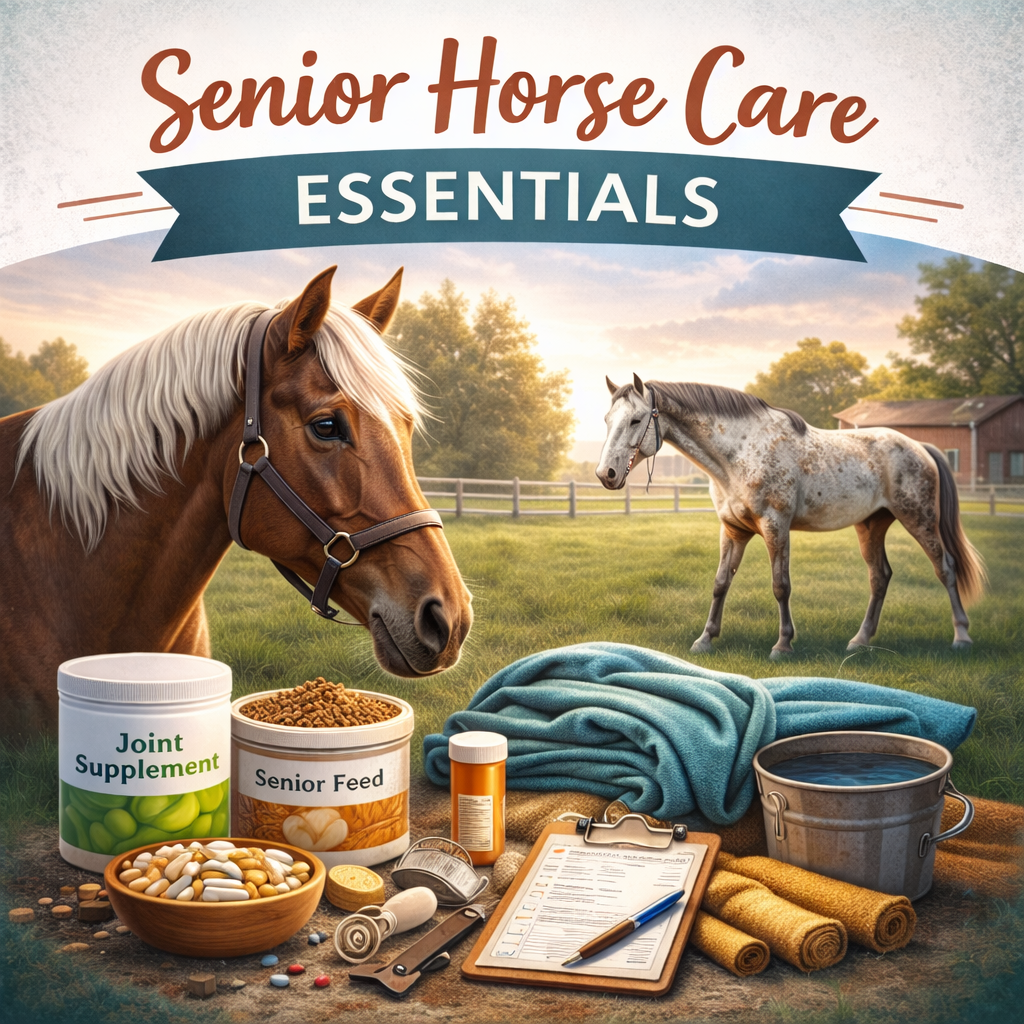
Advances in nutrition, dentistry, veterinary care, and management mean horses are living longer than ever before. It is now common to see horses thriving into their late twenties and thirties. However, ageing brings physiological changes that require proactive, tailored management. Senior horse care is not about treating age as a disease — it is about…
-
A naturally shiny coat is not created by sprays alone. Shine reflects internal health, correct management and balanced skin function. While cosmetic products can enhance appearance temporarily, true coat quality is built from nutrition, circulation, hygiene and correct rugging. This guide explains how to develop long-lasting, natural coat shine without over-reliance on artificial enhancers. What…
-
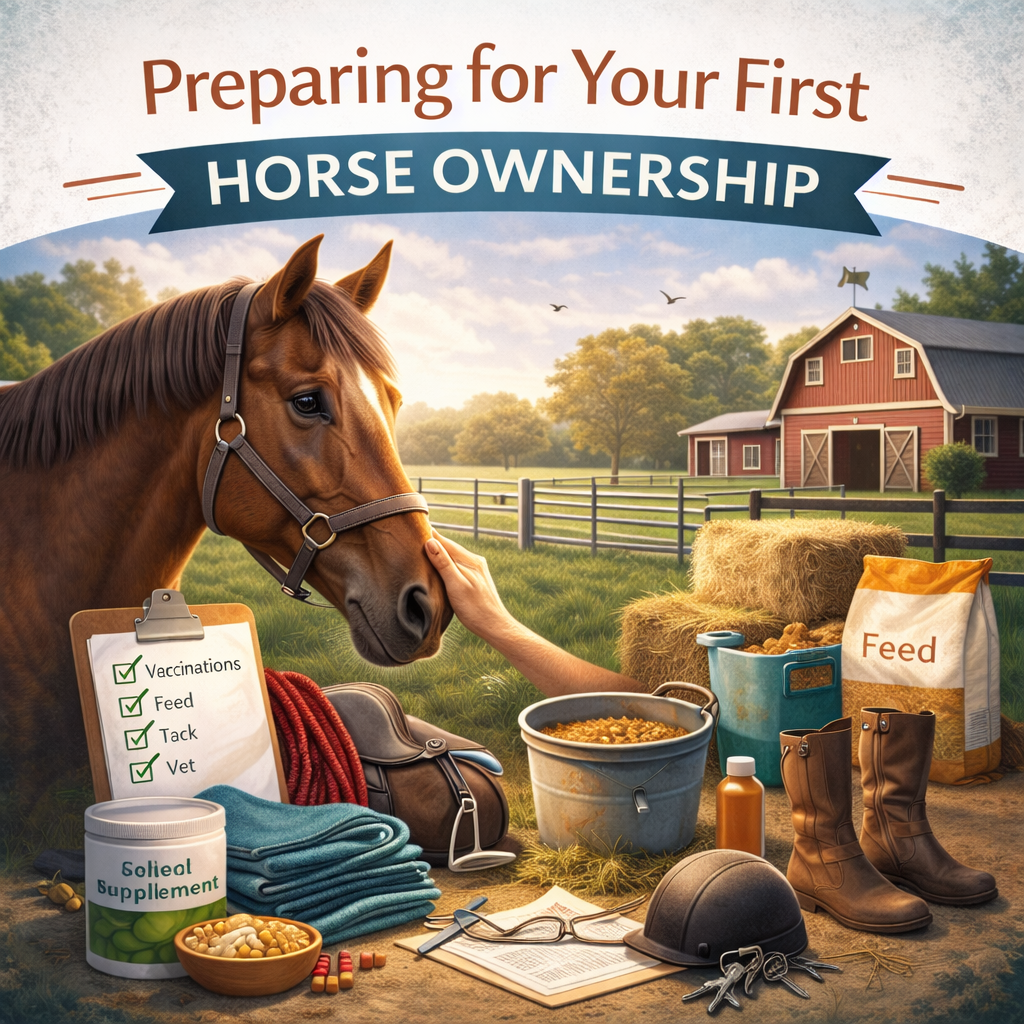
Owning your first horse is exciting — but it is also one of the most significant financial, emotional, and time commitments you can make. Horses depend entirely on consistent, informed management. Preparation determines whether ownership feels rewarding or overwhelming. Buying a horse is the easy part. Providing stable, long-term care is the responsibility. This guide…
-
A Practical, Welfare-Focused Approach to Choosing the Right Rug Choosing the correct rug weight in the UK is not as simple as reading the temperature forecast. Wind, rain, humidity, clipping status, age, body condition and shelter access all influence how a horse regulates body temperature. Incorrect rugging is one of the most common welfare missteps…
-
Preventing Breakage, Thinning and Damage A horse’s mane and tail are more than aesthetic features. They provide natural protection against insects, weather and skin irritation. However, improper care can lead to thinning, breakage, slow regrowth and even discomfort. In the UK climate — with frequent wet weather, rug use and muddy turnout — mane and…
-
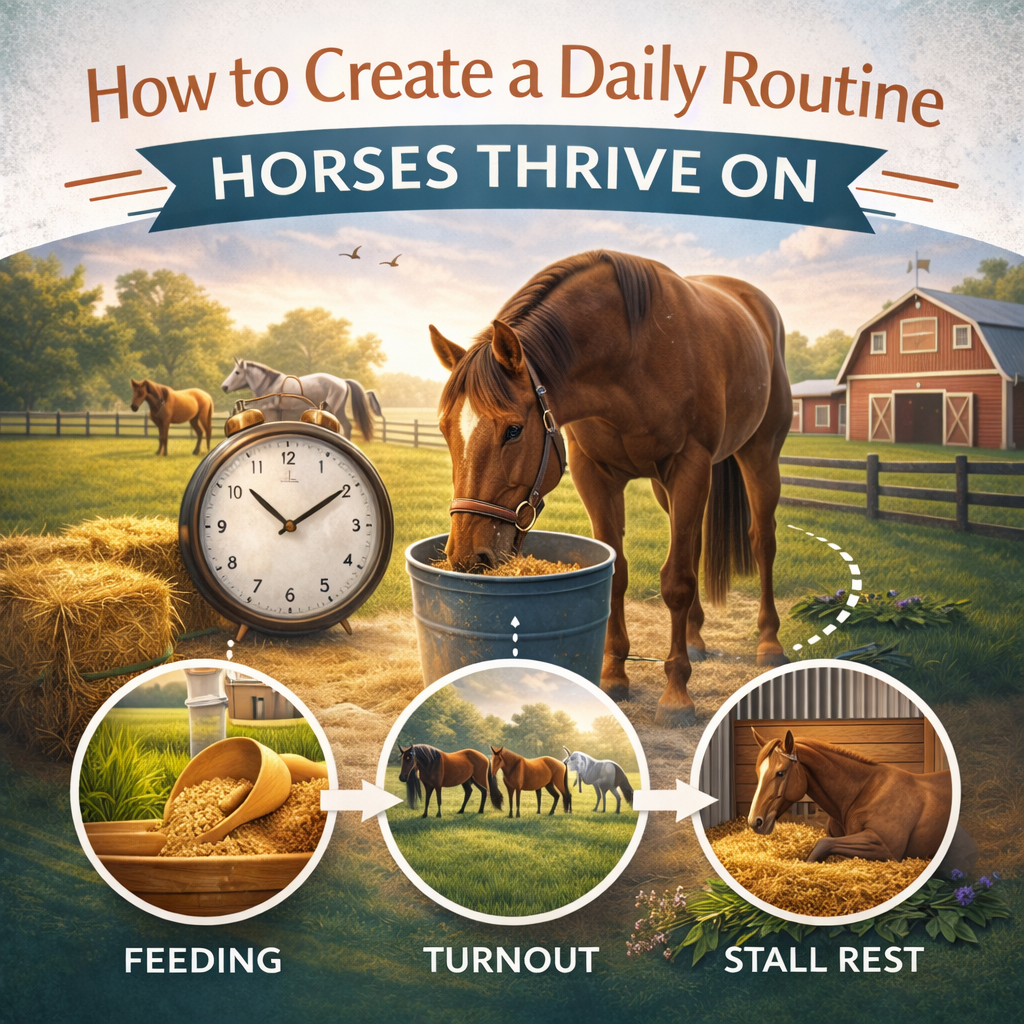
Horses are biologically designed for predictability. In the wild, their days revolve around grazing, movement, herd interaction, and rest — all within a stable rhythm. Domestic management disrupts that natural flow, so it is the owner’s responsibility to recreate consistency wherever possible. A well-structured daily routine supports: Digestive health Emotional stability Immune function Behavioural balance…
-
A Practical Guide to Thermoregulation, Welfare and Smart Rugging Decisions Clipping fundamentally changes how a horse regulates body temperature. A natural winter coat is designed to trap air and repel moisture. Once clipped, that insulation system is partially or completely removed. Rugging a clipped horse requires deliberate planning. Rugging an unclipped horse requires restraint and…
-
Grooming should be a bonding experience. However, for nervous, sensitive or previously mishandled horses, grooming can trigger tension, defensive behaviour or avoidance. A horse that reacts negatively to grooming is not being difficult — it is communicating discomfort, fear or confusion. Handling nervous horses requires patience, body awareness and structured desensitisation. This guide explains how…