Category: Horse Health & Welfare


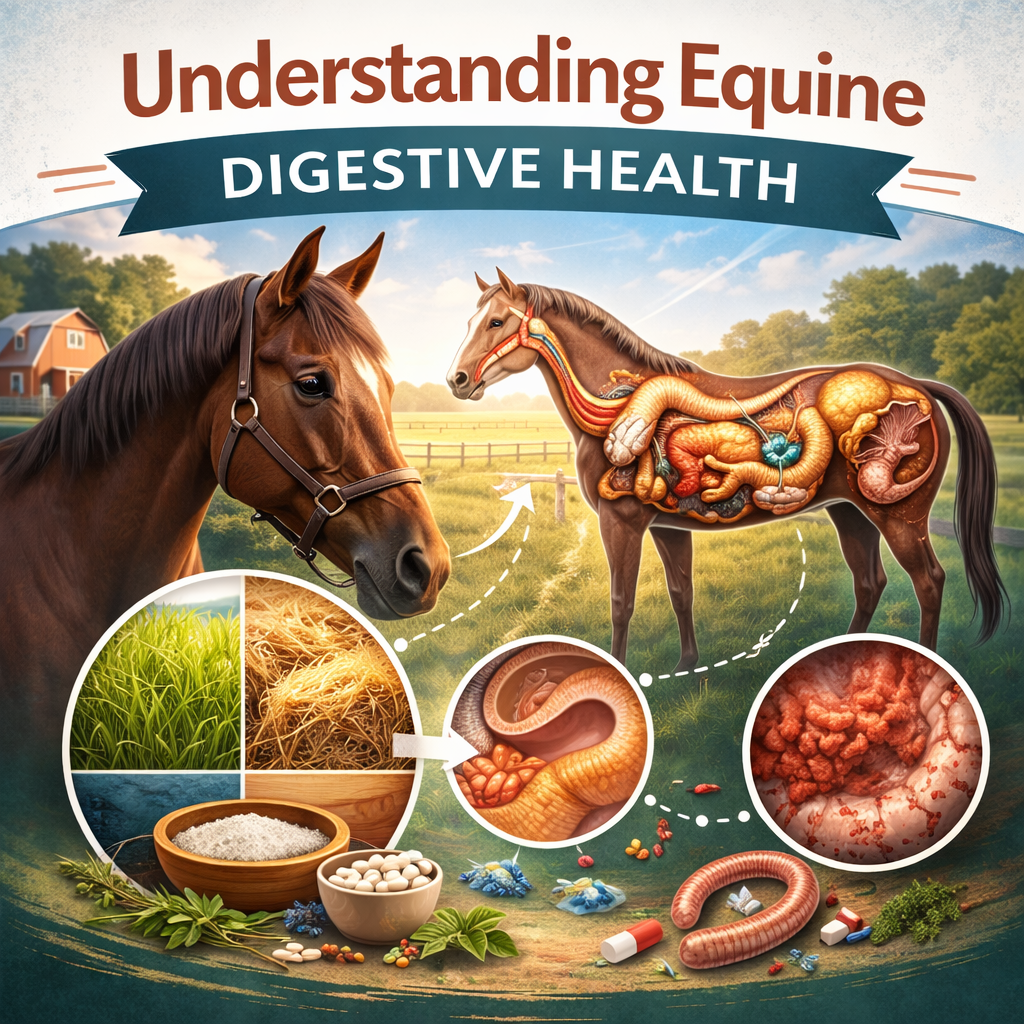
  • Understanding Equine Digestive Health

    The equine digestive system is highly specialised, delicate, and designed for near-constant forage intake. Many modern management practices — meal feeding, limited turnout, and high-starch concentrates — conflict with this natural design. Digestive disturbance is one of the leading causes of illness in horses, including colic, gastric ulcers, weight instability, and behavioural changes. Understanding how…

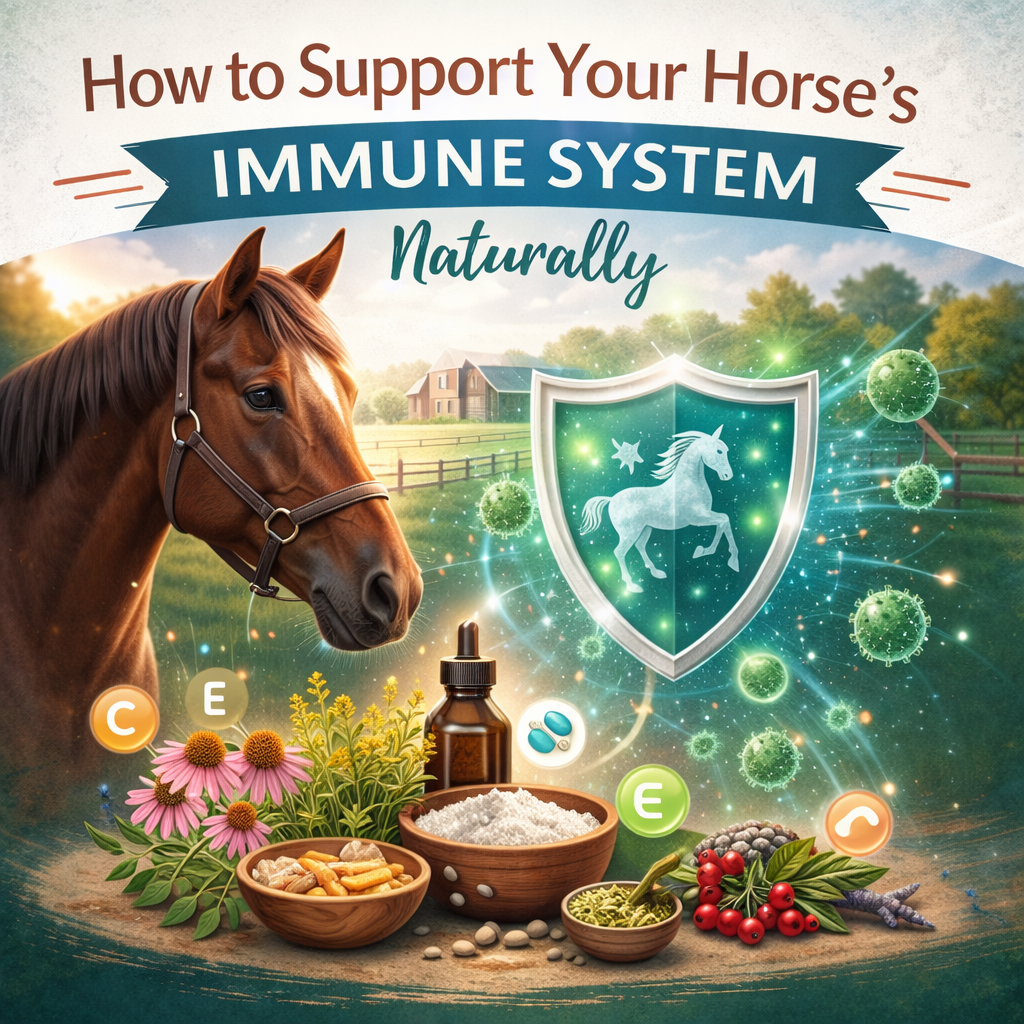
  • How to Support Your Horse’s Immune System Naturally

    A strong immune system is the foundation of long-term equine health. While vaccines and veterinary care play essential roles, everyday management decisions have the greatest cumulative impact on immune resilience. Immune suppression does not usually appear suddenly. It develops gradually through nutritional imbalance, stress, poor gut health, overtraining, or environmental strain. Supporting immunity is not…

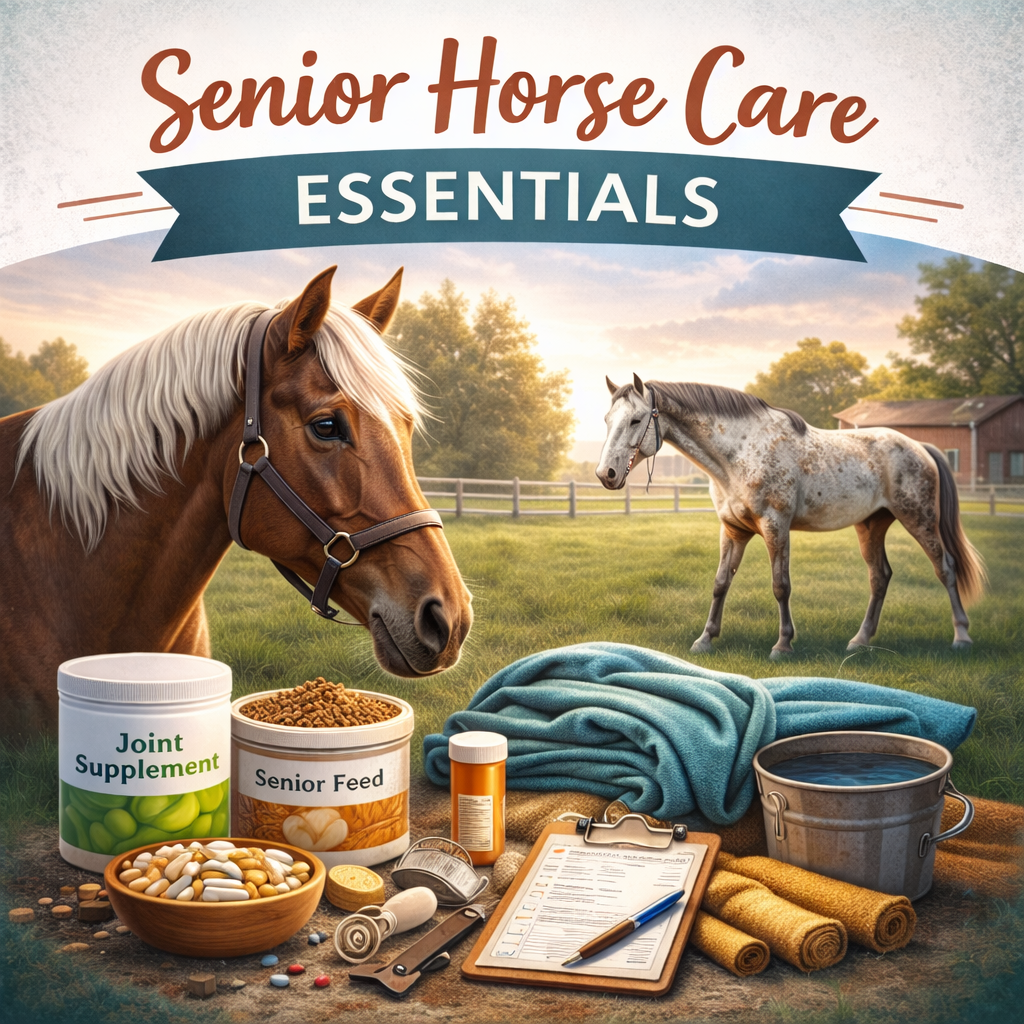
  • Senior Horse Care Essentials

    Advances in nutrition, dentistry, veterinary care, and management mean horses are living longer than ever before. It is now common to see horses thriving into their late twenties and thirties. However, ageing brings physiological changes that require proactive, tailored management. Senior horse care is not about treating age as a disease — it is about…

  • Colic is not a disease — it is a symptom of abdominal pain. It ranges from mild gas discomfort to life-threatening intestinal displacement. Early recognition is the single most important factor influencing outcome. Many severe cases begin with subtle signs that are easy to miss. This guide explains how to identify early warning signs, what…

  • Weight management is one of the most overlooked aspects of equine welfare. Subtle changes in body condition often occur gradually and go unnoticed until performance declines, health issues emerge, or veterinary intervention becomes necessary. Monitoring weight is not about appearance — it is about metabolic health, joint longevity, laminitis prevention, and immune stability. This guide…

  • The hoof is a complex, weight-bearing structure designed to absorb shock, support circulation, and protect internal structures. Subtle hoof changes often appear days or weeks before lameness becomes obvious. Early detection prevents minor issues from escalating into costly and painful conditions. This guide explains the most common hoof problems in UK horses and how to…

  • Dehydration is one of the most underestimated health risks in horses. It does not only occur during hot summer months — it is equally common in winter when water intake drops due to cold temperatures. Even mild dehydration can affect: Gut motility Performance Recovery Thermoregulation Colic risk Severe dehydration is a veterinary emergency. This guide…

  • Emergencies rarely happen at convenient times. Whether it is a field injury, sudden lameness, a colic episode, or a kick wound, the first few minutes of response can significantly influence the outcome. First aid is not about replacing veterinary care — it is about stabilising the situation safely until professional help arrives. Every yard, regardless…

  • One of the hardest judgement calls for any horse owner is deciding whether a situation warrants veterinary attention. Delaying a necessary call can worsen outcomes. Calling early can prevent escalation, reduce suffering, and often lower long-term cost. The most responsible approach is simple: When in doubt, call. This guide outlines clear warning signs that require…

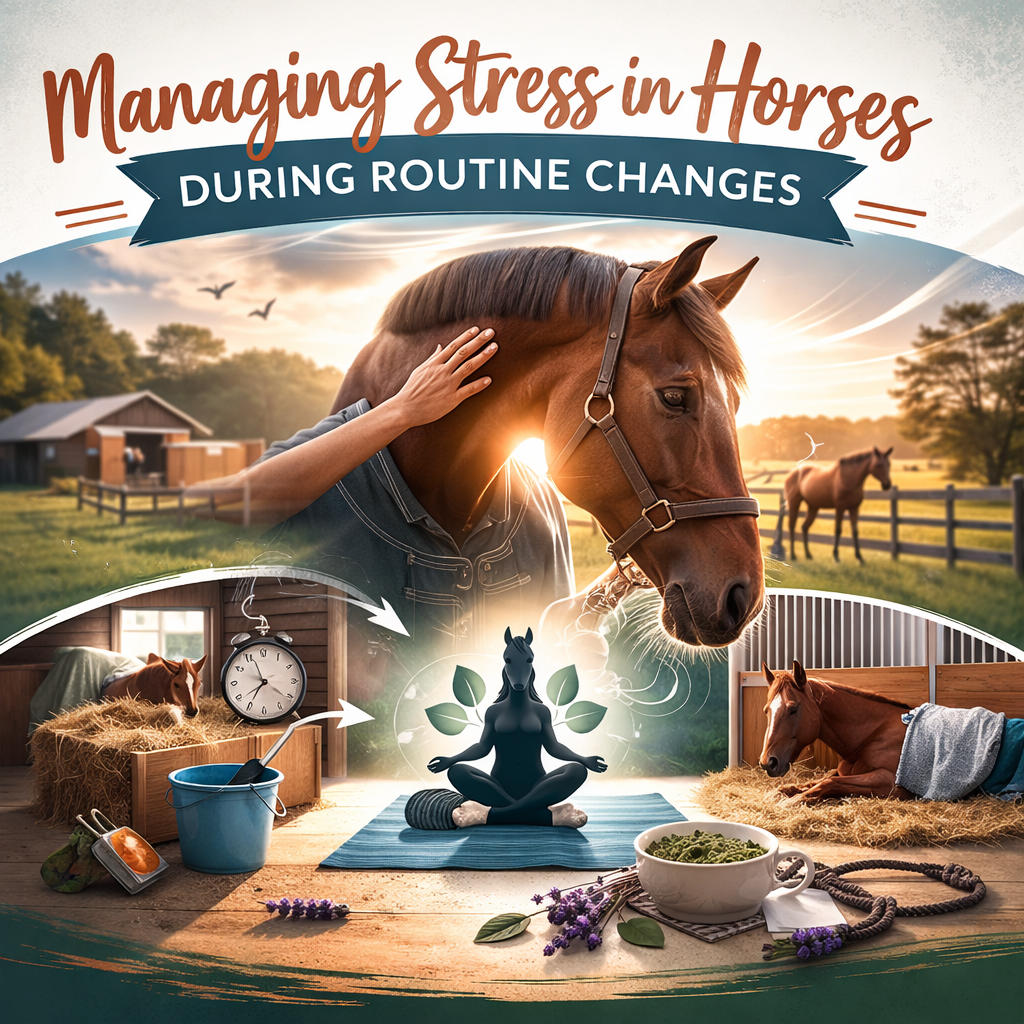
  • Managing Stress in Horses During Routine Changes

    Horses are creatures of habit. Their nervous systems are designed for predictability, routine, and environmental stability. Sudden changes — even seemingly minor ones — can trigger stress responses that affect digestion, immunity, behaviour, and performance. Stress is not always dramatic. It often presents quietly through subtle behavioural and physiological changes. This guide explains how routine…