

Saddles
Saddles are one of the most important investments for both horse and rider. At JSM Equestrian Supplies, our collection of horse saddles in the UK includes dressage saddles, jump saddles and versatile GP saddles designed to support comfort, balance and performance across all disciplines. A well-fitted saddle promotes correct rider position while protecting the horse’s back from uneven pressure. Whether you are training at home, competing regularly or upgrading your existing equipment, selecting the right English saddle is essential for safety and long-term comfort.
🚚 Fast UK Delivery
Fast shipping across the UK
🔁 30 Day Returns
⭐ Trusted by Riders
Quality equestrian gear you can rely on
-

17 Inch Cowhide Leather Jumping Saddle
£404.54 -

2x Horse Saddle Rack with Pad Type Saddle Pad Rack Saddle Stand
£101.57 -

Cavassion Double-Layer Microfiber Jump Saddle 17–17.5 Inch
£447.47 -

High Quality English Style Leather Dressage Horse Saddle Black Brown
£995.14 -

Horse Saddle Rack Stand Storage Accessory Removable Tack Room Display Horse Blanket Hanging Rack Stall Walls Doors Mount
£26.29 -

Portable Saddle Rack, Multifunctional, Equestrian Accessories Heavy Duty Foldable Saddle Holder
£103.06 -

Premium Western Horse Saddle With Reinforced Tree And Breathable Seat | Genuine Leather
£1,263.78 -

Saddle Rack Wall Mount Equestrian Accessories Stable Metal Black 4 Tier Saddle
£119.85 -
Ultra-Fiber Synthetic Saddle Endurance Horse Saddle for Wild Racing Horse Equipment
Original price was: £2,988.54.£1,522.93Current price is: £1,522.93. -

Versatile Children’s Horse Riding Saddle
£360.00 -

Wall Mount Saddle Rack Wall Mounted Saddle Storage Space-Saving Equipment Rack for Equestrian Tack Room Barn Garage Outdoors
£25.13 -

Waterproof Equestrian Saddle Bag Backpack
£33.41


Choosing the right saddle is one of the most important decisions a rider can make. A properly fitted saddle enhances rider balance, improves communication and protects the horse’s back from discomfort or long-term strain.
In the UK, English saddles are the most commonly used style, covering disciplines such as dressage, show jumping, eventing and general riding. Understanding the differences between saddle types helps ensure you select the best option for your needs.
Why Saddle Fit Matters
Saddle fit directly impacts both horse welfare and rider performance. An ill-fitting saddle can cause:
-
Pressure points along the spine
-
Restricted shoulder movement
-
Behavioural resistance
-
Reduced performance
-
Long-term back issues
A correctly fitted saddle distributes weight evenly, allows freedom of movement and supports a balanced riding position.
Professional saddle fitting is strongly recommended when purchasing or changing saddles.
Dressage Saddles
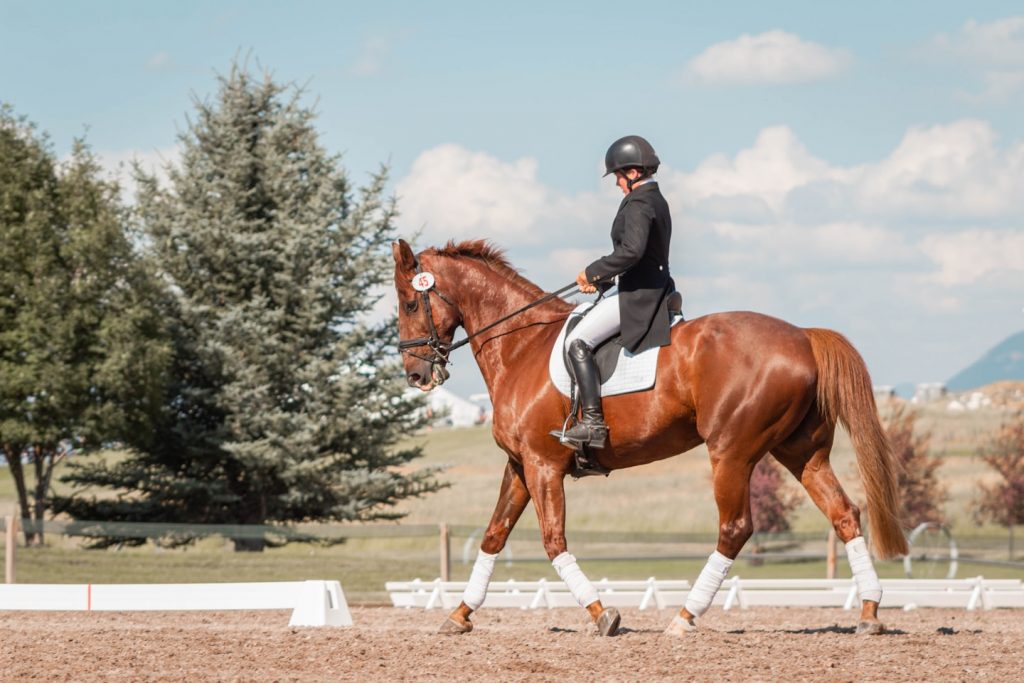
Dressage saddles are designed with a deeper seat and longer, straighter flaps to support a longer leg position. This style encourages close contact and stability during flatwork and competition.
Features of dressage saddles often include:
-
Deep, supportive seat
-
Long girthing systems
-
Straight-cut panels
-
Close-contact design
They are ideal for riders focusing on schooling, dressage training and formal competition.

Jump Saddles
Jump saddles feature a more forward-cut flap and flatter seat to support shorter stirrup lengths and jumping position. Designed for show jumping and cross-country, they allow greater freedom of movement over fences.
Key characteristics include:
-
Forward flap design
-
Lightweight construction
-
Secure knee and thigh support
-
Balanced seat for dynamic riding
Jump saddles are built to provide stability while allowing flexibility in fast-paced disciplines.

GP (General Purpose) Saddles
GP saddles offer versatility for riders who participate in a variety of activities. With a moderate seat depth and flap shape, GP saddles are suitable for flatwork, hacking and occasional jumping.
They are a practical option for leisure riders or those seeking one saddle for multiple disciplines.
Materials & Construction
Most English saddles are crafted from leather, offering durability, flexibility and traditional appearance. High-quality leather saddles mould gradually to the rider while maintaining structural support.
Construction elements to consider include:
-
Tree structure
-
Panel design
-
Gullet width
-
Seat depth
-
Knee and thigh support
Attention to detail in stitching, panel shaping and balance contributes to overall longevity and performance.
Comfort for Horse & Rider
Modern saddle design prioritises both horse and rider comfort. Well-balanced panels distribute pressure evenly, while cushioned seats support rider posture during long sessions.
Riders should ensure that saddles allow:
-
Even clearance along the spine
-
Freedom through the shoulder
-
Balanced weight distribution
-
Stable rider positioning
Regular checks are recommended as horses can change shape with training and conditioning.


Frequently Asked Questions About Saddles
How do I know if a saddle fits my horse?
A saddle should sit level, clear the spine and distribute weight evenly without causing pressure points. Professional fitting is recommended.
What is the difference between a dressage and jump saddle?
Dressage saddles have straighter flaps and deeper seats, while jump saddles feature forward-cut flaps and flatter seats for jumping position.
How often should a saddle be checked for fit?
Saddle fit should be reassessed regularly, especially if the horse changes shape due to training or weight fluctuation.
Are leather saddles better than synthetic?
Leather saddles are traditionally preferred for durability and comfort, though both materials have their place depending on rider preference.
Sign up for great offers & exclusive content