
Category: Rider Education & Stable Management
-
Yards are working environments. Horses are large, reactive animals. Equipment is heavy. Surfaces can be slippery. Vehicles move unpredictably. When safety standards slip, injuries happen — often preventably…
-

Owning your first horse is exciting — but it is also one of the most significant financial, emotional, and time commitments you can make. Horses depend entirely on…
-
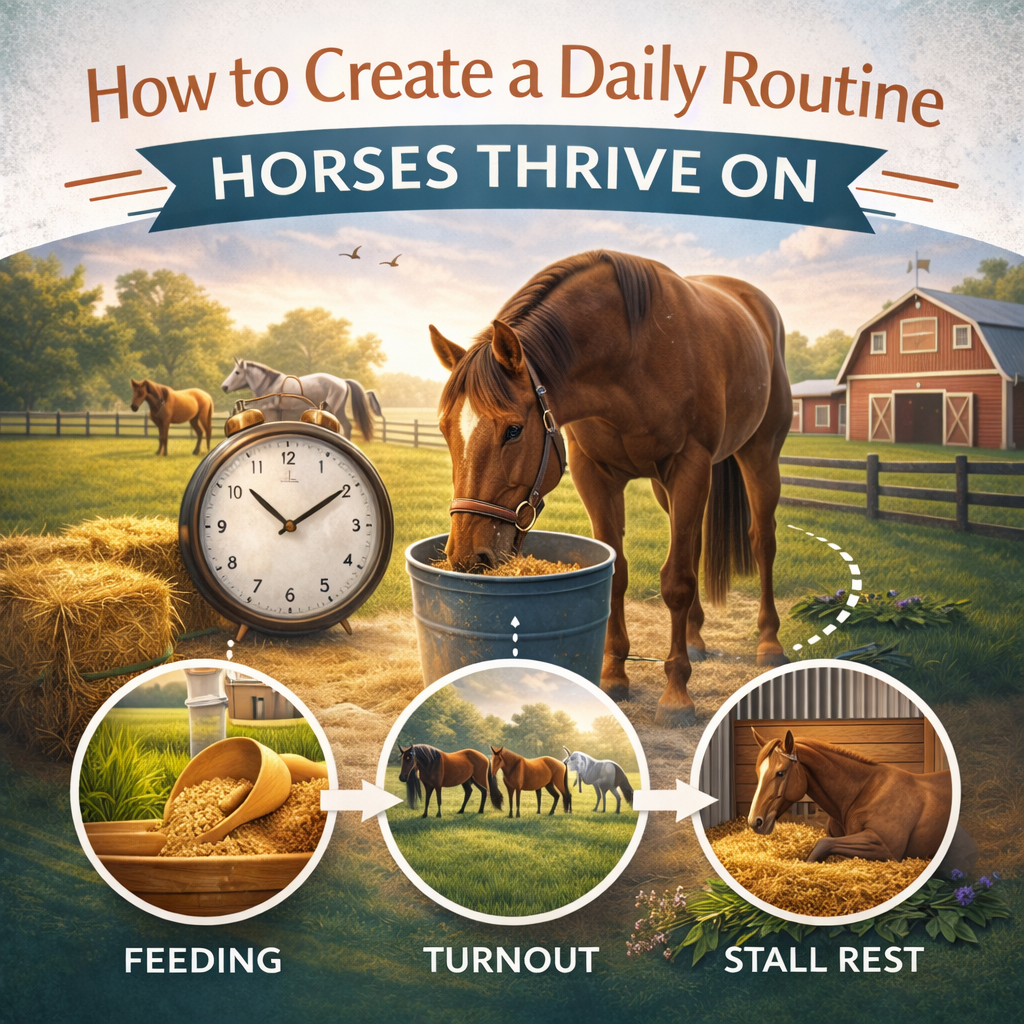
Horses are biologically designed for predictability. In the wild, their days revolve around grazing, movement, herd interaction, and rest — all within a stable rhythm. Domestic management disrupts…
-
Stables are controlled environments — but they are not risk-free. Many injuries occur not in the field or during riding, but inside the stable itself. Confined spaces, solid…
-
Horse transport is one of the highest-risk routine activities in equine management. Travel introduces confinement, vibration, noise, temperature fluctuation, and stress — all of which affect physiology and…
-
Introducing horses to one another is one of the most injury-prone management situations on any yard. Even experienced horses can react unpredictably when social hierarchy is disrupted. Kicking…
-
Limited turnout is an increasingly common reality in UK horse management. Weather conditions, land restrictions, yard rules, and seasonal ground protection often mean horses cannot access pasture as…
-
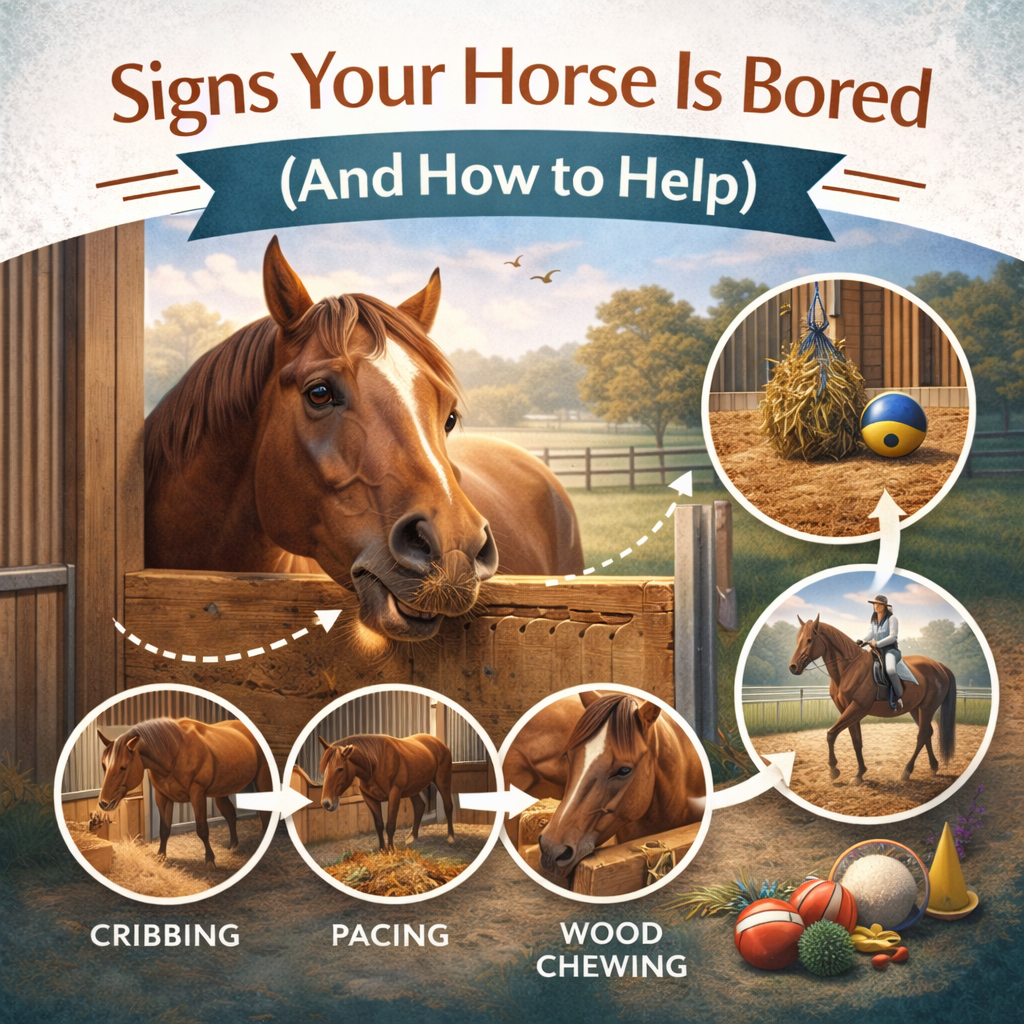
Boredom in horses is often underestimated. While horses are adaptable animals, they are biologically designed for near-constant movement, foraging and social interaction. When modern management restricts these natural…
-
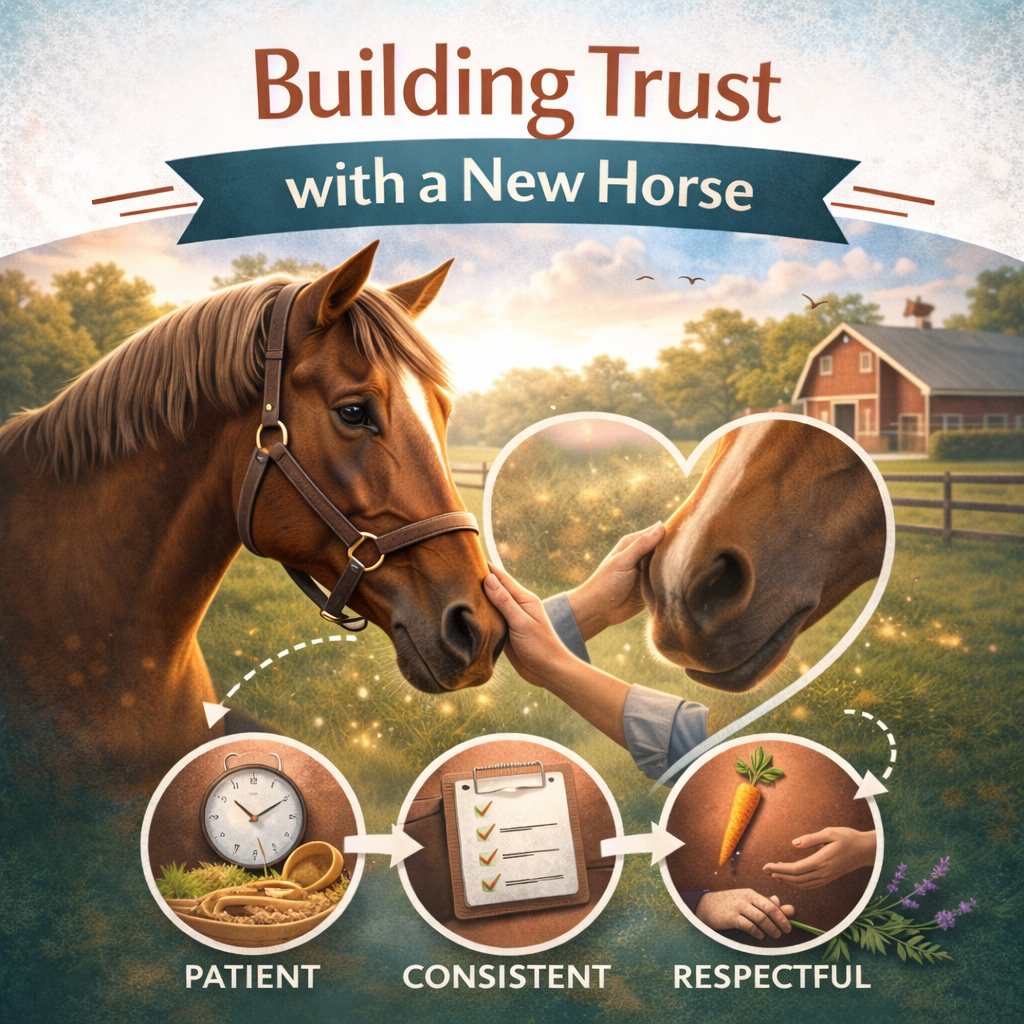
Bringing a new horse into your care is both exciting and delicate. Trust is not automatic — it is built through consistency, clarity and calm leadership. Horses assess…
-
A calm stable environment is not accidental. It is designed through thoughtful management, consistent routine and attention to sensory factors such as noise, airflow, lighting and social structure…