

Blog
Complete Guide to Saddlery & Tack for UK Riders

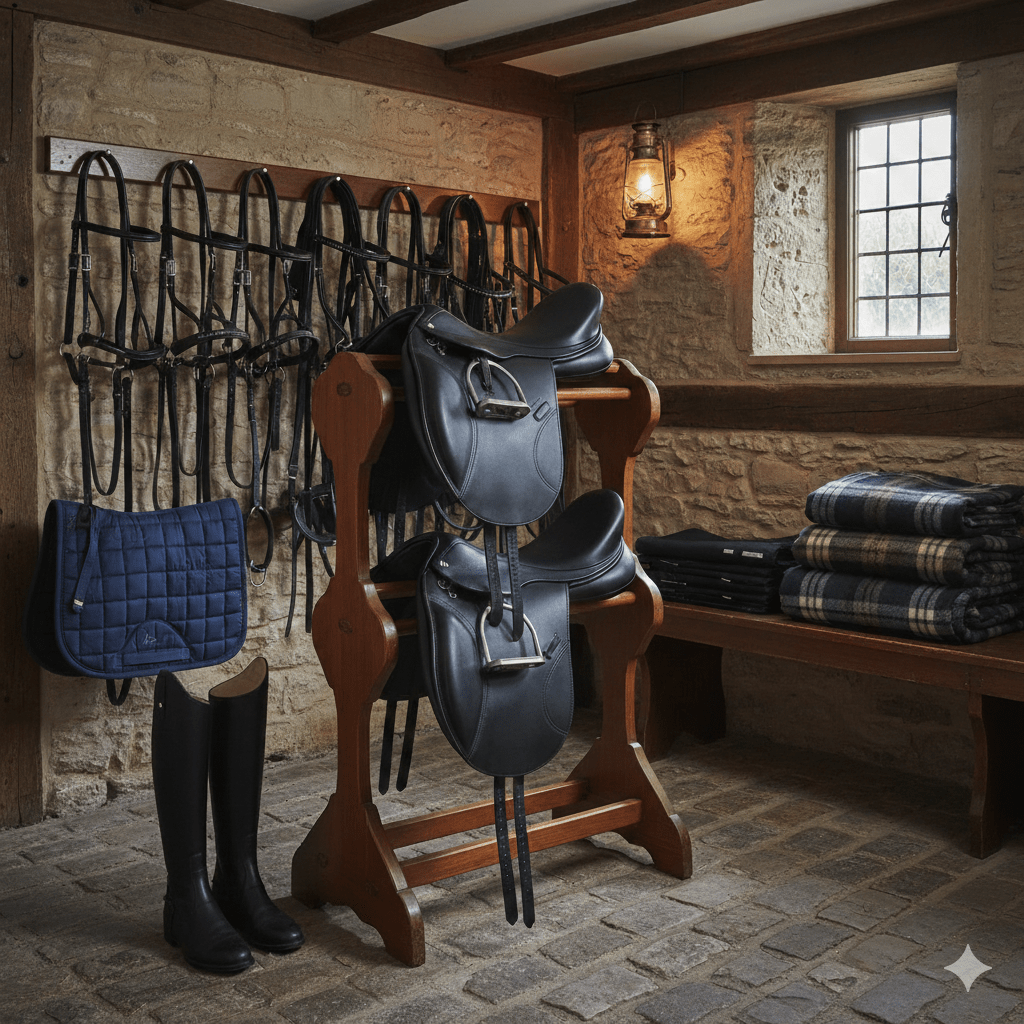
Complete Guide to Saddlery & Tack for UK Riders
High-quality saddlery & tack is essential for effective communication between horse and rider. Whether you are hacking, schooling, competing or managing a young horse, properly fitted and well-maintained equipment directly affects performance, comfort and safety.
In the UK’s diverse riding environments — from wet winter arenas to summer competitions — selecting the right tack is more than just preference. It’s about durability, fit and function.
This complete guide explains everything UK riders need to know about choosing, maintaining and upgrading saddlery & tack.
Why Quality Tack Matters
Tack is the connection point between rider aids and the horse’s response. Poor-quality or ill-fitting equipment can cause:
- Pressure points
- Rubbing and sores
- Resistance or behavioural issues
- Reduced performance
- Long-term muscular discomfort
Investing in reliable equipment protects both horse welfare and rider confidence.
Browse our full Saddlery & Tack collection to explore dependable options suited to UK riding conditions.
Understanding Core Tack Components
1. Bridles
The bridle allows communication through rein aids and bit pressure. A correctly fitted bridle should:
- Sit comfortably behind the ears
- Avoid pinching
- Position the bit correctly in the mouth
- Allow two fingers under the noseband
Common noseband types include cavesson, flash and grackle. Choice depends on discipline and horse preference.
Leather remains the traditional choice for durability and aesthetics, while synthetic bridles offer lightweight and low-maintenance alternatives.
2. Reins
Reins influence contact and control. Options include:
- Plain leather reins
- Rubber grip reins
- Webbing reins
- Laced reins
Grip reins are particularly useful in wet UK weather when maintaining consistent contact becomes more challenging.
3. Saddles (Overview Considerations)
Although saddle fitting should be done professionally, riders should understand the basics:
- Even weight distribution
- Clear gullet space
- No bridging or rocking
- Balanced seat position
An incorrectly fitted saddle can restrict shoulder movement and cause back pain.
4. Girths & Straps
Girth selection affects comfort and saddle stability. Look for:
- Even pressure distribution
- Elasticated ends (optional)
- Soft lining to reduce rubbing
Check stitching and buckles regularly for safety.
Leather vs Synthetic Tack
Leather Tack
Advantages:
- Traditional appearance
- Strong and long-lasting
- Moulds to horse over time
Disadvantages:
- Requires regular cleaning
- Can crack if neglected
- Heavier than synthetic
Synthetic Tack
Advantages:
- Lightweight
- Weather-resistant
- Low maintenance
Disadvantages:
- May lack traditional aesthetic
- Can wear faster under heavy use
For UK riders dealing with mud and rain, synthetic options can be practical for everyday riding.
Ensuring Proper Fit
Tack should:
- Allow freedom of movement
- Sit evenly
- Avoid pressure on sensitive areas
- Support natural head and neck carriage
Signs of poor tack fit include:
- Head tossing
- Resistance to contact
- Uneven sweat marks
- Rubbing
Regular checks are essential, particularly for young or changing horses.
Tack Maintenance & Care
Maintaining tack extends lifespan and ensures safety.
Daily Care
- Wipe down after every ride
- Remove sweat and dirt
- Check stitching and buckles
Weekly Care
- Clean leather thoroughly
- Condition to prevent cracking
- Inspect for stretching or weakness
Proper storage also matters. Use suitable storage solutions from our Stable & Yard Equipment range to keep tack dry and organised.
When Should Tack Be Replaced?
Replace tack if you notice:
- Cracked or brittle leather
- Loose stitching
- Rusted hardware
- Excessive stretching
- Structural weakness
Safety must always come first.
Discipline-Specific Considerations
Different riding disciplines may influence tack selection.
Dressage
- Simpler bridle styles
- Close-contact saddles
- Emphasis on precise fit
Show Jumping
- Secure grip reins
- Saddles allowing forward position
Leisure & Hacking
- Comfort-focused equipment
- Durable, weather-resistant materials
Tack & Overall Horse Management
Tack does not function in isolation. It should complement overall horse care.
For example:
- Proper rugging supports muscle health before and after exercise. Explore our Horse Rugs range to ensure full protection in colder months.
- Rider comfort enhances performance. Browse our Riding Apparel collection for practical, weather-ready clothing.
A complete approach ensures both horse and rider perform confidently.
Common Mistakes When Buying Tack
- Choosing price over fit
- Ignoring horse conformation
- Over-tightening nosebands
- Neglecting regular cleaning
- Failing to check stitching
Quality and fit should always take priority.
Building a Reliable Tack Setup
Every UK rider should have:
- A correctly fitted bridle
- Quality reins suited to grip preference
- Secure girth
- Well-maintained leather or synthetic straps
- Regular inspection routine
This foundation supports safe and enjoyable riding.
Why Buy Saddlery & Tack from JSM Equestrian Supplies?
At JSM Equestrian Supplies, we prioritise durability, comfort and practicality. Our Saddlery & Tack collection is selected with UK riders in mind — combining reliable construction with everyday usability.
Whether upgrading existing equipment or building a new setup, investing in dependable tack supports better performance and long-term horse welfare.
Explore our full range of Saddlery & Tack UK today and equip yourself with gear designed to perform in real riding conditions.
